cabbage stem flea beetle
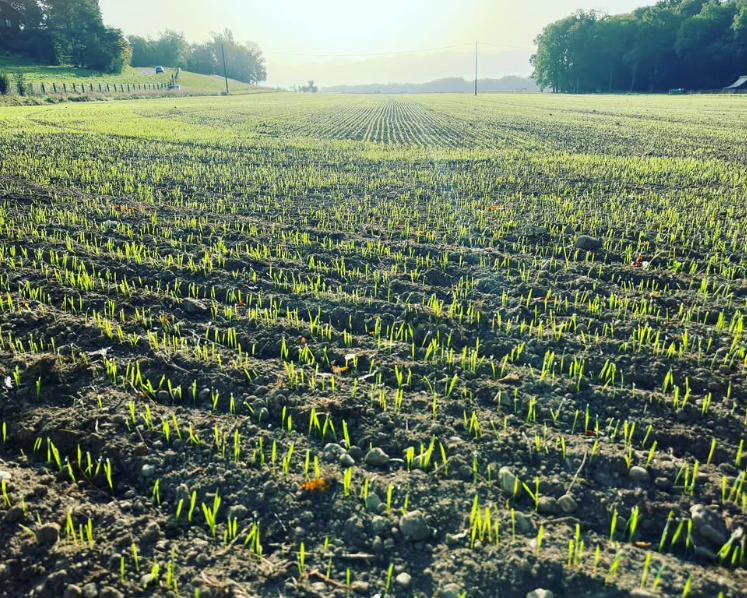
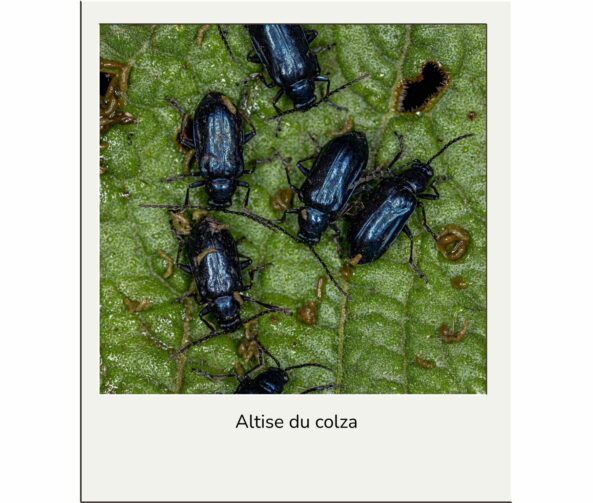
The large cabbage stem flea beetle (Psylliodes chrysocephala) is one of the major pests of oilseed rape, together with the terminal bud weevil. Adults attack young seedlings from early autumn onwards, while the larvae damage plants during winter and stem elongation.
After a single mating flight from mid-September to October, the adults feed at night and hide during the day in the soil or under crop residues. They perforate leaves and cotyledons, then attack the stem crown, weakening plants against frost and causing plant losses. Larvae of the terminal bud weevil lead to stunted plants with a bushy growth habit.
What kind of damage does the cabbage stem flea beetle cause?

Shot-holing of cotyledons and leaves
Winter adults feed on the first true leaves, leading to seedling weakening.

Attack on the stem pith
Winter feeding damage makes plants more susceptible to frost and leads to plant losses.

Damage to the apical (terminal) bud
Larvae attack the terminal (apical) bud during stem elongation (bolting), resulting in stunted plants with a bushy growth habit.
The Advansee Solution for Sustainable Agriculture
Our connected E-gleek traps enable real-time monitoring of the cabbage stem flea beetle (Psylliodes chrysocephala) through automated image capture and artificial intelligence-based analysis. This continuous monitoring facilitates early detection of pest arrival and tracking of population dynamics, allowing interventions before damage to plants and young leaves becomes critical.
Support and automated alerting for cabbage stem flea beetle monitoring (Psylliodes chrysocephala)
We support you from identifying areas at risk from cabbage stem flea beetle (Psylliodes chrysocephala) in oilseed rape through to the deployment of connected traps. Training on the platform and technical support ensure rapid onboarding and reliable data from the very first days, enabling early detection of adults and timely interventions to protect crops.

Diagnosis
We jointly assess the situation regarding cabbage stem flea beetle (Psylliodes chrysocephala) in oilseed rape, taking into account the specific conditions of each farm. The grower can then identify the most vulnerable areas, enabling effective monitoring and anticipation of early pest outbreaks.

Deployment
E-gleek horizontal traps with yellow sticky cards are deployed directly in the field and are ready for use upon installation. Capture monitoring is fully automated, requiring no daily intervention, providing a reliable, simple, and efficient surveillance of pests, including the cabbage stem flea beetle (Psylliodes chrysocephala).

Optimization
We perform precise adjustment of trap positioning, optimal image calibration, and alert configuration to ensure reliable data and detect the earliest infestations of cabbage stem flea beetle (Psylliodes chrysocephala) as soon as they appear.

Initial results
Initial monitoring allows the detection of the first flights of the cabbage stem flea beetle (Psylliodes chrysocephala), thereby helping growers intervene at the right time, before plant vigor and young leaf quality are affected.
Our technological tools for managing flea beetles:
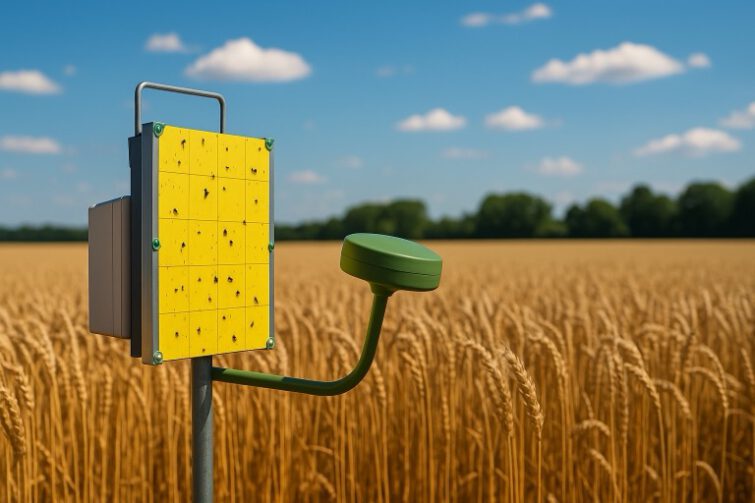
Trap
E-gleek
A connected trap that analyzes the number of trapped insects and issues alerts when an insect flight is detected or when the sticky card is saturated.
- Combined with analysis software
- Email or SMS alert
- 12 months of autonomy
They had this problem
-

Samura Pest Detection
In Prague, at a manufacturing plant, we installed three flying insect traps capable of detecting pests and sending an alert when they are caught.
-

Producteurs de colza
Mise en place de pièges pour le suivi des populations de grosses altises dans le but trouver des solutions alternatives au Phosmet
-
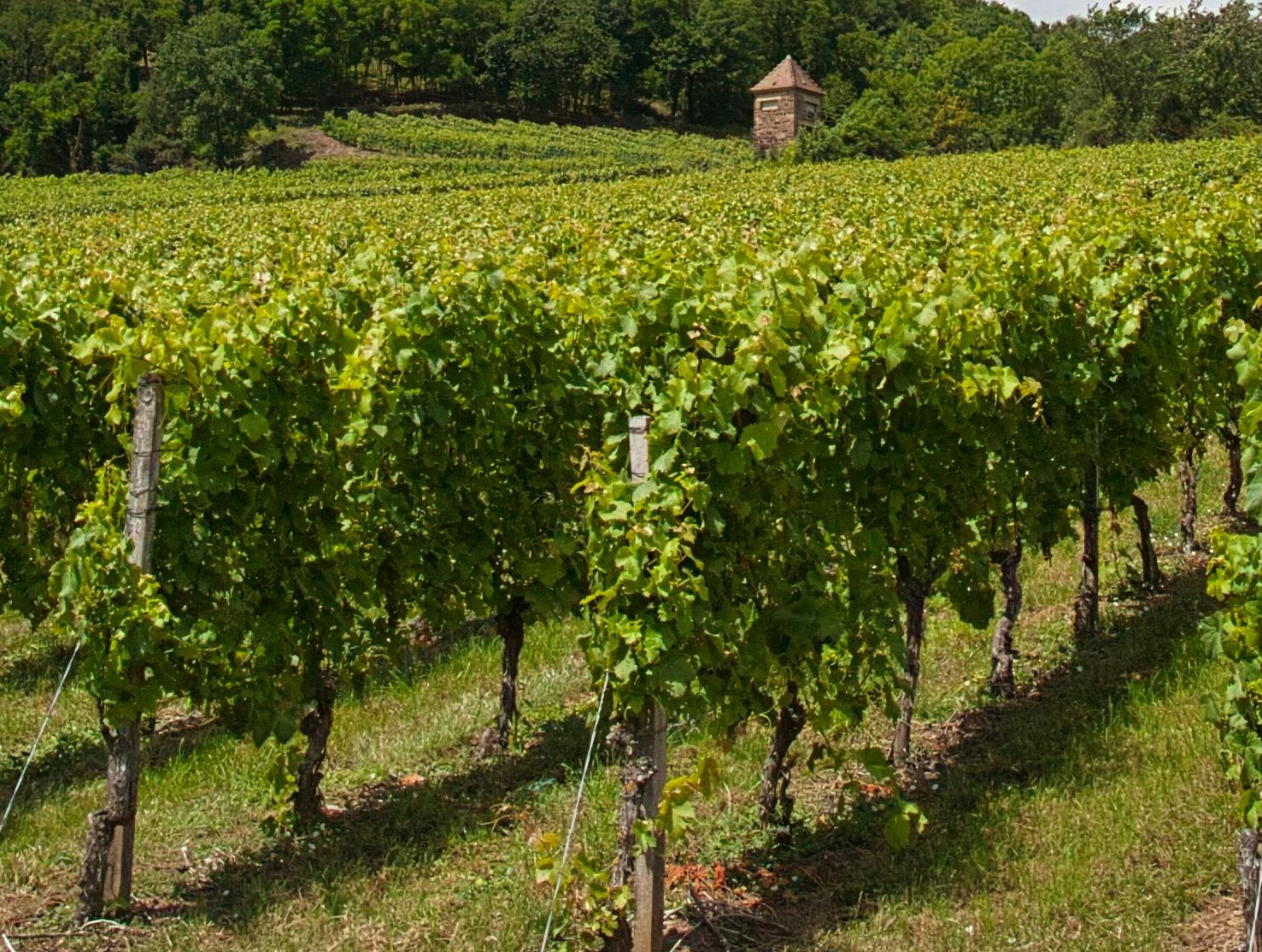
Les viticulteurs du bassin de Cognac
Contrôle sanitaire obligatoire des populations de cicadelles de la Flavescence Dorée
-
-