Filtrer par thématique (produits, problématique, …)
-
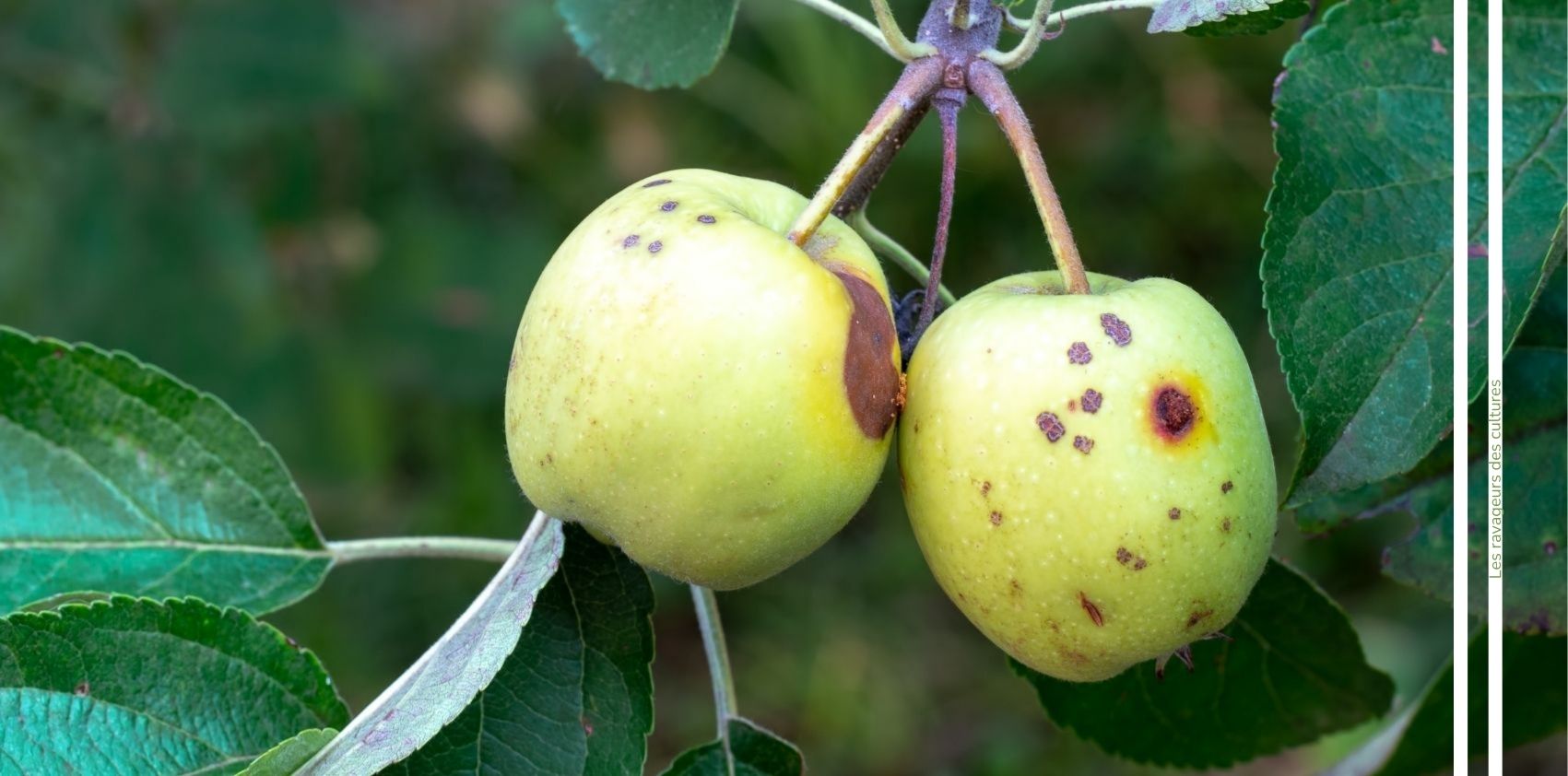
codling moth (Cydia pomonella)
The codling moth (Cydia pomonella) is one of the most problematic pests in fruit orcharding. This small nocturnal moth is responsible for significant damage in apple orchards, but it also affects other fruit species such as pear, walnut, peach, quince, and apricot trees.
-
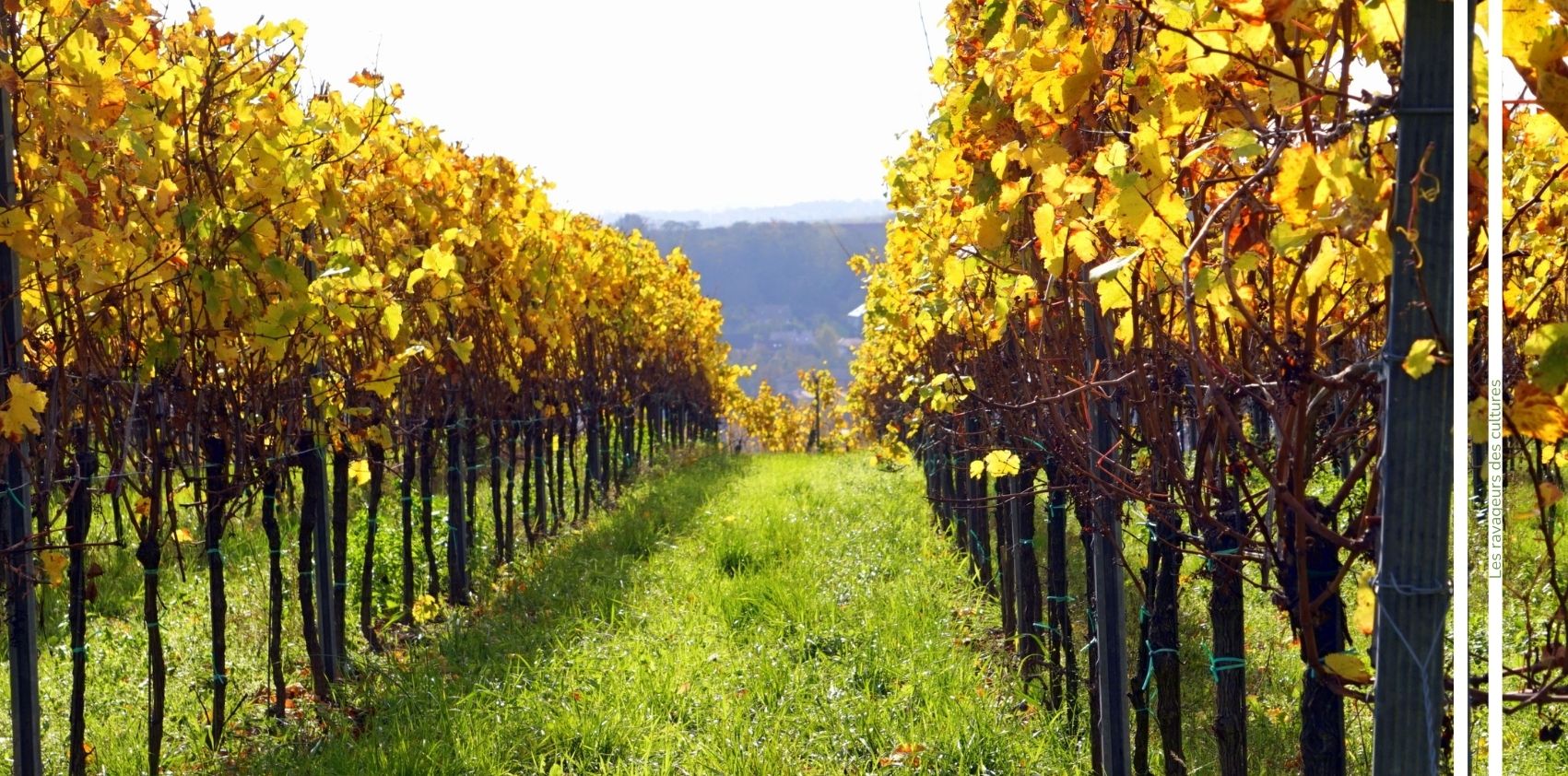
American grapevine leafhopper
The grapevine leafhopper (Scaphoideus titanus) is a vector of Flavescence dorée, a serious disease that weakens grapevines, causes leaf yellowing, and can lead to crop losses. By feeding on plant sap, it transmits the disease from infected vines to healthy ones. Monitoring tools such as E-GLEEK enable the detection of its arrival in vineyards and…
-
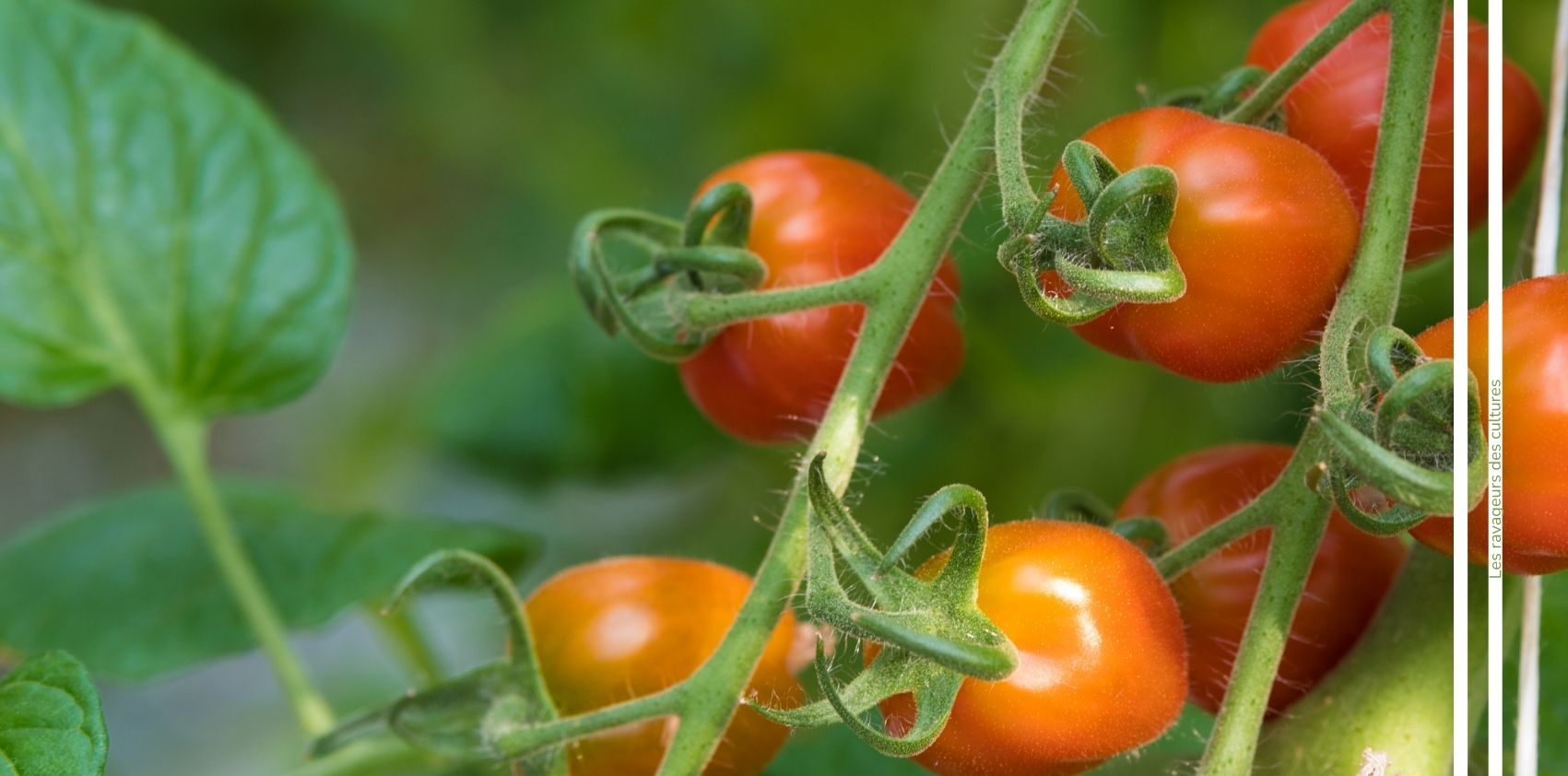
Tomato Whitefly
With our connected devices, you can identify the first whitefly populations before damage becomes visible. This early detection allows you to act quickly and in a targeted manner, while reducing your phytosanitary treatments. Advansee thus helps you protect your crops more effectively, sustainably, and environmentally.
-
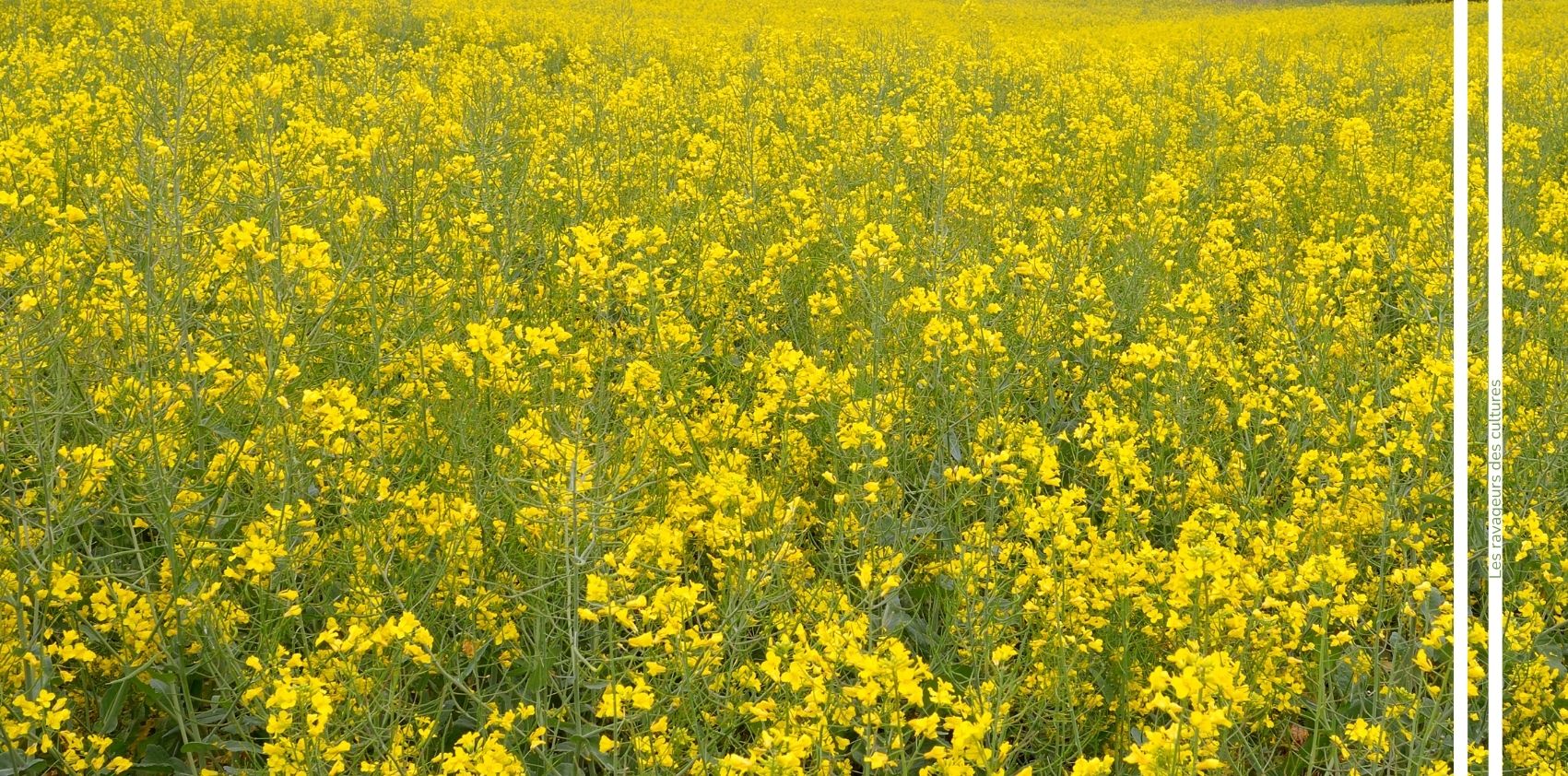
cabbage stem flea beetle
The large cabbage stem flea beetle (Psylliodes chrysocephala) is a pest insect that attacks the leaves and stems of many crops, causing plant weakening and yield losses. Regular phytosanitary monitoring allows early detection of its presence, while integrated pest management (IPM) helps limit its impact in an effective and sustainable way.
-
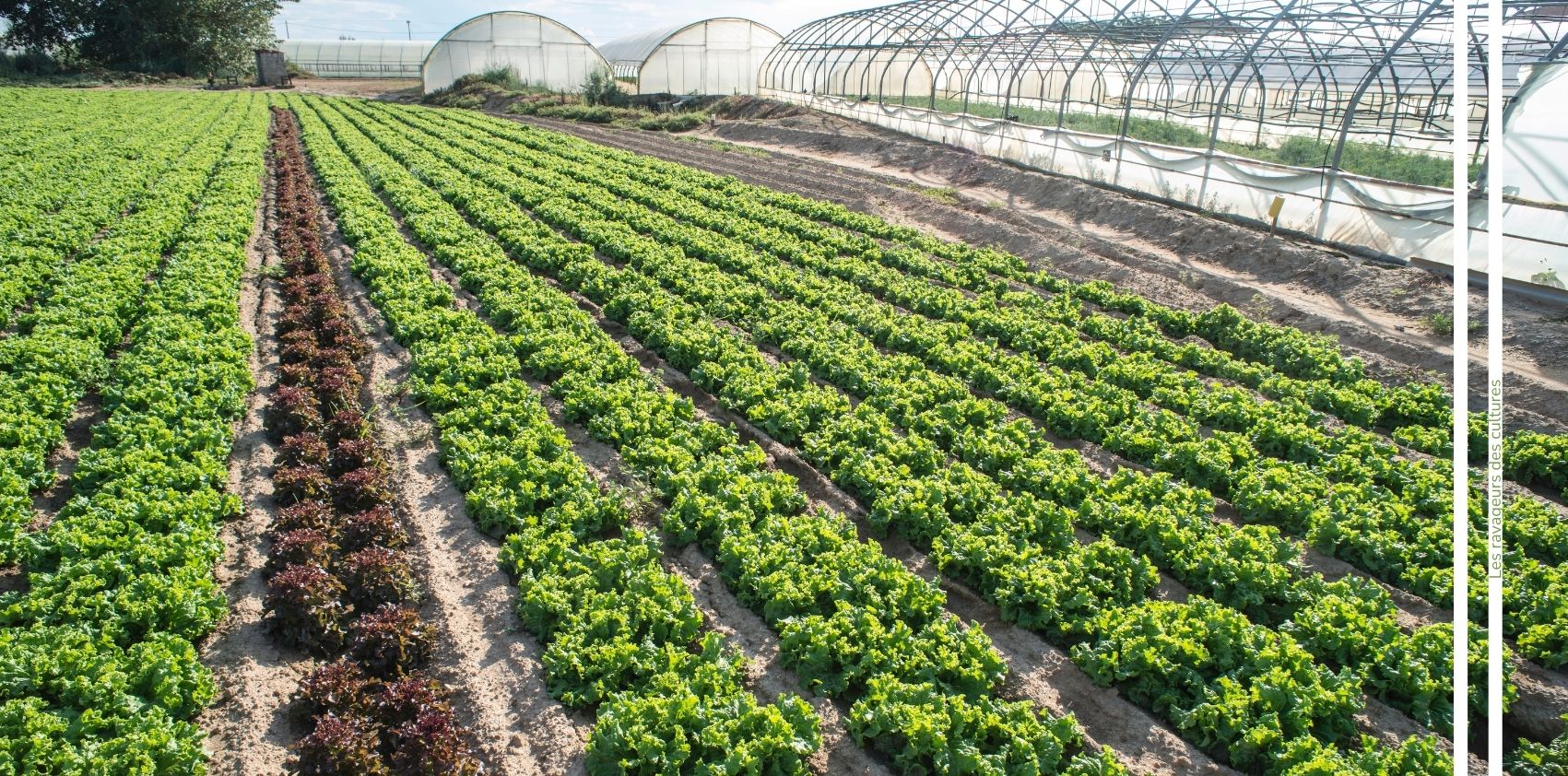
Pucerons en salade
Le puceron de la salade est un petit insecte suceur qui peut affaiblir les plants et réduire les rendements. Un suivi préventif permet de détecter les infestations dès leur apparition. Des solutions comme les biopesticides offrent des alternatives aux pesticides chimiques, permettant de protéger les cultures tout en respectant l’environnement.