sawfly
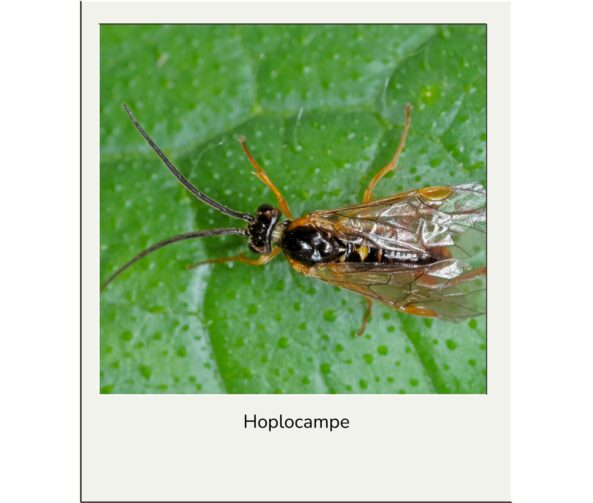
The sawfly (Hoplocampa spp.) is a widely distributed pest in Europe and North America, capable of causing severe yield losses in orchards. Several species are particularly concerning, including the pear sawfly (Hoplocampa brevis), the apple sawfly (Hoplocampa testudinea), as well as the plum sawflies (Hoplocampa flava and H. minuta).
Adults emerge at the very beginning of flowering of the host fruit trees. After mating, females lay their eggs in the blossoms. Larvae hatch after an incubation period of 6 to 18 days.
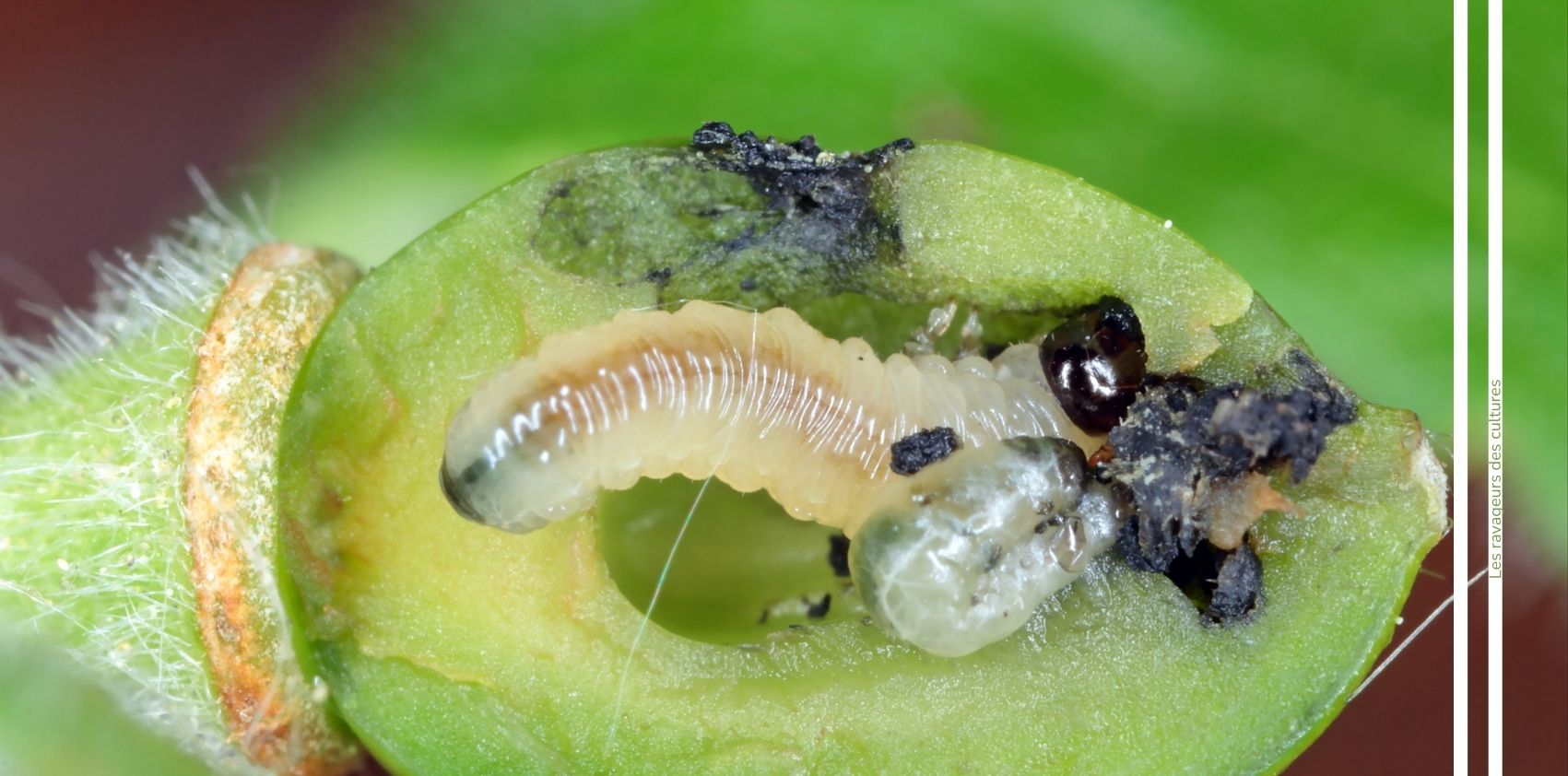
Initially, larvae tunnel just beneath the epidermis of young fruit, causing visible surface damage. They then burrow towards the fruit core to feed on the seeds or kernels, which often leads to premature fruit drop. A single larva may attack several fruits in succession, further increasing losses.
What damage do sawflies (Hoplocampa spp.) cause?

Subepidermal galleries in fruit
Larvae tunnel just beneath the fruit epidermis, causing brown markings or visible scars on the fruit surface.

seed damage
As they burrow into the fruit core, larvae consume the seeds, rendering the fruit unmarketable.

Premature fruit drop
Infested fruits often fall before reaching maturity, leading to significant yield losses.
The Advansee solution optimizes your treatment strategy
E-gleek connected traps enable real-time monitoring of sawflies (Hoplocampa spp.) through automated image capture and AI-based analysis. This continuous surveillance facilitates early detection of adult emergence at the start of flowering and tracking of population dynamics. It thus allows timely interventions to be anticipated and damage to young fruit to be limited before it becomes critical.
Our support for automated counting
From project design through to daily use, we provide a turnkey support service: needs assessment, equipment configuration, training, and technical assistance. This approach ensures simple integration and optimal use of data from the very start.

Diagnosis
We jointly assess the issue. The grower identifies the most vulnerable areas, enabling effective monitoring and anticipation of early infestations.

Deployment
Installation of E-gleek devices in the orchard, configuration of the equipment, and activation of automated capture monitoring, with no need for daily manual intervention.

Optimization
Adjustment of positions, image calibration, and alert configuration to ensure reliable data and the earliest possible detection.

Initial results
Early monitoring makes it possible to quickly detect the initial flights of sawflies (Hoplocampa spp.), enabling growers to intervene at the right time before fruit quality is affected.
Our technological tools for reducing field visits:
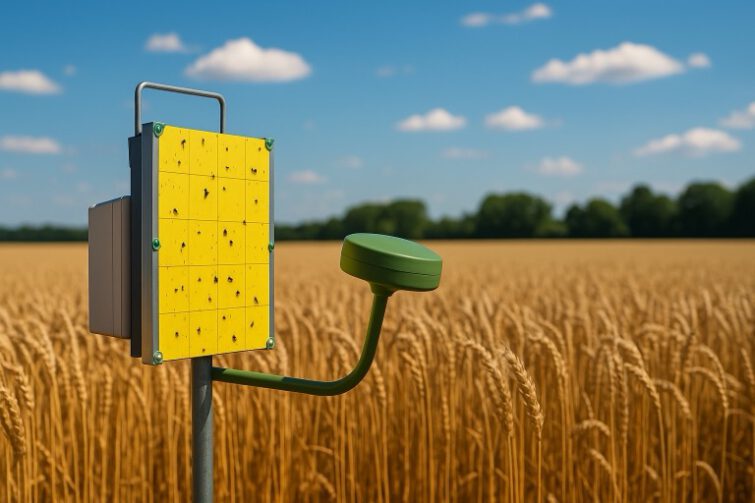
Trap
E-gleek
A connected trap that analyzes the number of trapped insects and issues alerts when an insect flight is detected or when the sticky card is saturated.
- Combined with analysis software
- Email or SMS alert
- 12 months of autonomy
They had this problem
-

Samura Pest Detection
In Prague, at a manufacturing plant, we installed three flying insect traps capable of detecting pests and sending an alert when they are caught.
-

Producteurs de colza
Mise en place de pièges pour le suivi des populations de grosses altises dans le but trouver des solutions alternatives au Phosmet
-
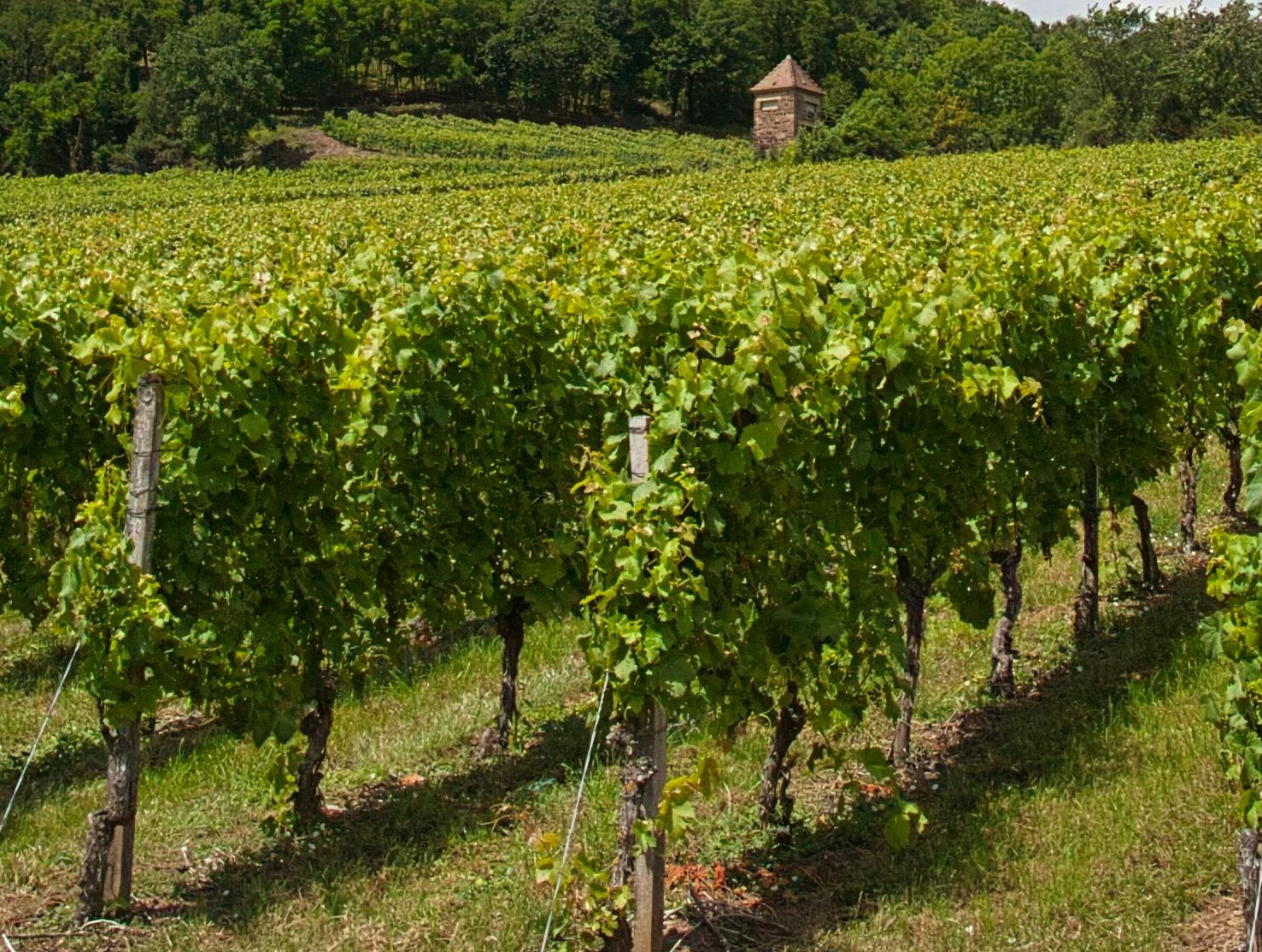
Les viticulteurs du bassin de Cognac
Contrôle sanitaire obligatoire des populations de cicadelles de la Flavescence Dorée
-
-